Katavi National Park is tucked away in Tanzania’s remote western region, near Lake Tanganyika. It’s about 40 km south of the town of Mpanda in the Rukwa Valley, making it one of the most isolated parks in the country.
Covering roughly 4,471 square kilometers, Katavi is Tanzania’s third-largest national park, but it gets fewer than 2,000 visitors a year. That means you’ll likely have the place to yourself. No crowds, no traffic jams, just you, your guide, and the wild.
This is not a typical tourist safari stop, and that’s the magic. Here’s why Katavi is worth the trek:
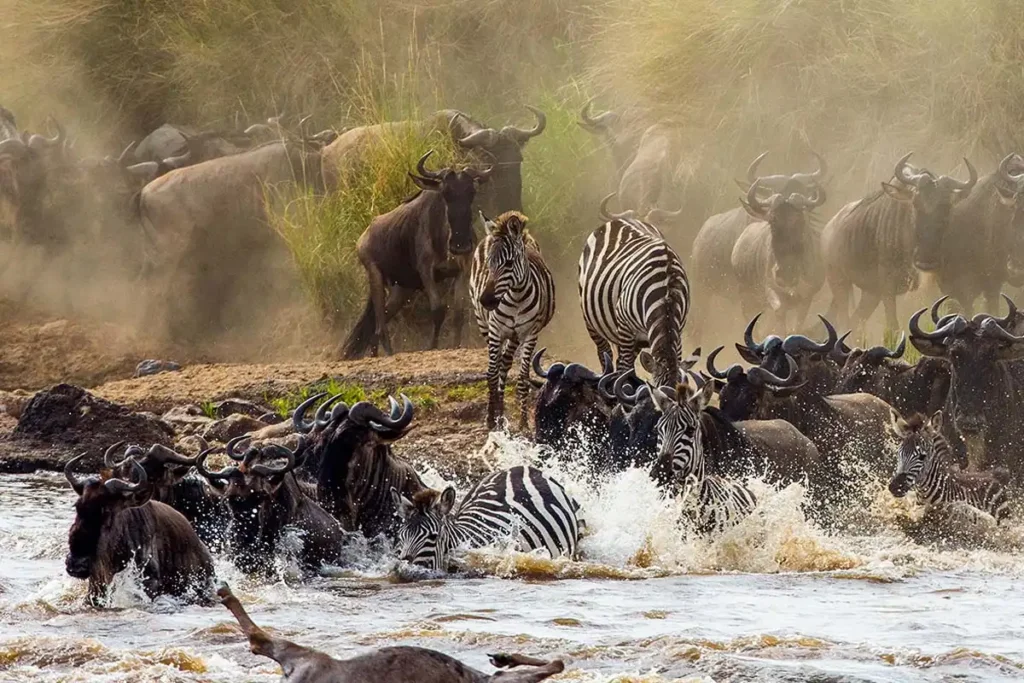
Massive buffalo herds, sometimes in the thousands
Hippo pools so crowded they spill over with grunting, groaning giants
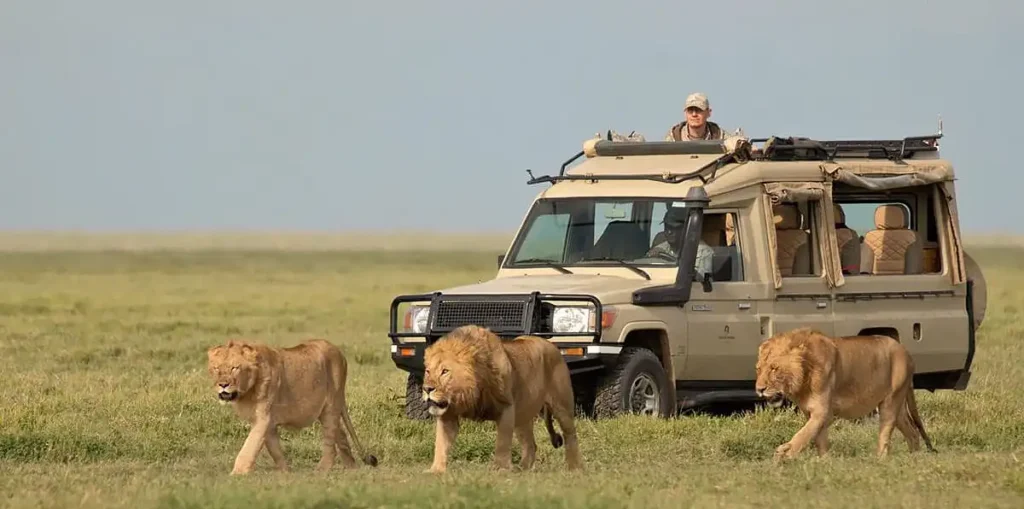
Incredible predator action: lions, leopards, hyenas, and crocodiles
Birding paradise: over 400 species
Very few tourists feel like a true explorer, not just a visitor
Seasonal drama: rivers dry up, concentrating wildlife around the remaining water
It’s raw. It’s real. It’s the Africa that most people only dream about.
Despite its remoteness, Katavi is rich in biodiversity. The seasonal floodplains and grasslands attract a wide range of animals.
| Animal | Why It’s Special in Katavi |
|---|---|
| Cape Buffalo | Herds of over 1,000 are common |
| Hippos | Gather by the hundreds in shrinking pools during the dry season |
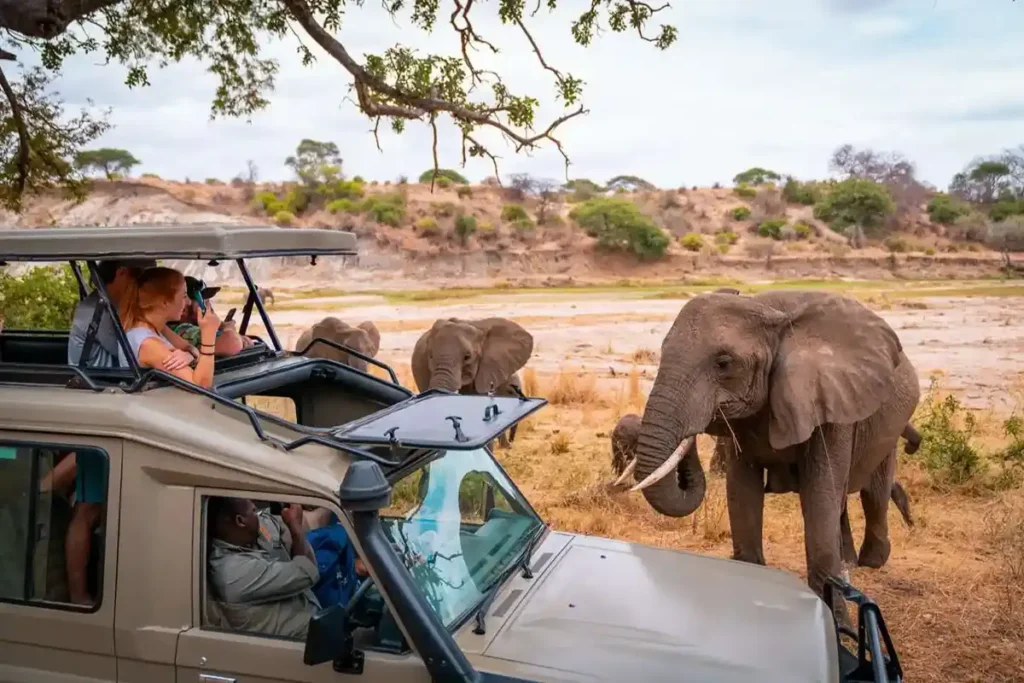
| Elephants | Roam freely through miombo woodlands and open plains |
| Lions | Regularly hunt buffalo, high drama for photographers |
| Leopards & Hyenas | Spotted near riverine forests and grasslands |
| Crocodiles | Seen sunbathing or lurking near hippo pools |
| Birds (400+ species) | Fish eagles, storks, spoonbills, and numerous migratory species |
Customise one of our recommended trips or design your own from scratch
or call us on: +255754982525
Katavi is seasonal, and its wildlife concentrations vary depending on the water levels.
| Season | Months | What to Expect |
|---|---|---|
| Dry Season | June to October | Best wildlife viewing; animals gather at water holes |
| Wet Season | November to April | Park is lush and green; fewer sightings but great birding |
📝 Note: Some camps close during the heavy rains (March to May), and the roads can become impassable.
Every Tanzania safari we offer is crafted from scratch, fully customized to match your preferences, travel style, and budget. The sample itineraries below are simply starting points, designed to spark ideas and showcase the incredible possibilities for your personalized safari adventure.
EXCELLENTVerified Unforgettable Big Cat Encounters – Best Safari Ever! Guide James (with a Maasai background) was outstanding - his eyes were laser-focused, every time he saw the Lion Pride, the Leopard Hiding in the Tree, and even the Cheetah running. After spending 2-3 days in Serengeti, I saw many lion families and cheetahs, some leopards from close quarters. When I landed in Ngorongoro Crater, I felt as if I had gone to another planet - rhino, elephant, hyena. The camping / lodge accommodation was very comfortable, the food was fresh and tasty (new menu every day) the water was always there. There are no rushes, every game drive is perfectly planned. For those who want to see the Big Cat, I recommend this tour 100%. Of course I'll go back!Posted onVerified Que jornada incrível! Meus dois amigos e eu reservamos esta trilha de 9 dias pela Rota Lemosho e chegamos ao cume com sucesso em 20 de fevereiro de 2026. Os dias extras ajudaram muito na aclimatação – nunca nos sentimos apressados, e a paisagem era absolutamente deslumbrante. Desde a exuberante floresta tropical até os gigantes senécios do campo de altitude, o deserto alpino e finalmente a neve do Pico Uhuru – cada dia era um novo mundo. Os guias foram incríveis: muito conhecedores, pacientes, sempre verificando nossos níveis de oxigênio e nos incentivando na noite do cume. A comida era incrivelmente deliciosa e variada (frutas frescas, pipoca à noite, sopa nutritiva), e os carregadores eram super-heróis – carregando tudo com um sorriso no rosto. Nosso grupo era pequeno, apenas 8 escaladores, então foi muito pessoal e seguro. A noite no cume foi difícil (muito frio e ventoso), mas chegar ao Stella Point ao amanhecer e depois subir até o Pico Uhuru foi emocionante – lágrimas nos olhos e abraçando a todos. Se você está pensando em Kilimanjaro, faça a longa Rota Lemosho com esta empresa.Posted onVerified Een echte aanrader! Ik kom zeker terug. Deze 3-daagse Northern Circuit safari was het perfecte pakket voor onze familie. Te beginnen met het zien van olifanten en vogels in Tarangire, het verkennen van verschillende ecosystemen en apen in Manyara, en het zien van leeuwen, neushoorns, zebra's, hyena's in de Ngorongoro-krater – allemaal op één plek! De gids was zeer deskundig en vriendelijk, en legde veel uit aan de kinderen. De accommodatie en maaltijden waren van goede kwaliteit, geen problemen. Het was erg intens omdat de tijd kort was, maar elk moment was het waard. Als je een Afrikaanse safari wilt tijdens een korte reis, mis deze dan niet. We kwamen allemaal terug met geweldige herinneringen!Posted onVerified Das Beste von Kenia in 10 Tagen – Von Gerenuk in Samburu bis zur Aussicht auf den Kilimandscharo in Amboseli Diese Safari ist die unvergesslichste Reise unseres Lebens geworden! Jeder, vom Team des Northern Masailand bis zu den Guides, war super hilfsbereit. Die raue und wunderschöne Landschaft von Samburu und die dort lebenden besonderen Tiere (Netzgiraffe, Gerenuk) waren absolut erstaunlich. Als ich auf der Sonnenaufgangs-Safari in der Maasai Mara den Stolz der Löwen und Geparden sah, schlug mein Herz schneller! Nashörner und Pelikane am Lake Nakuru, Elefantenherden vor dem Kilimandscharo in Amboseli sowie heiße Quellen und Vogelbeobachtungen in Naivasha – jeder Ort bot ein anderes Erlebnis. Die Lodges sind sehr komfortabel, das Essen ist frisch und lecker. Die Führer sorgten immer für unsere Sicherheit und gute Aussichten. Die 10 Tage waren perfekt geplant, keine Probleme. Wenn Sie eine Kenia-Safari planen, dann probieren Sie diese Tour unbedingt aus – sie ist es absolut wert!Posted onVerified Wonderful and memorable experience This 8-day Kilimanjaro trekking experience is truly one of life's best adventures. The Marangu Route to Mount Kilimanjaro is relatively comfortable and well-organized, making the whole trip quite enjoyable. Especially the accommodation in the huts (Mandara Hut, Horombo Hut, Kibo Hut) is much more comfortable than camping. Starting the journey from Arusha, gradually increasing the height, I got the opportunity to adapt the body. An extra day at Horombo Hut (hike up to Zebra Rocks) was very useful for acclimatization. The most challenging part was to leave Kibo Hut in the middle of the night and climb Uhuru Peak. But the feeling of standing at a height of 5,895 meters at sunrise cannot be expressed in words. All the staff were very professional and helpful. This route is very suitable for those who want to climb Kilimanjaro for the first time. A successful summit is possible if there is physical preparation.Posted onVerified Amazing experience Amazing trip with unforgettable experience! Thank you for everythingPosted onVerified Magical We loved all the lodges we stayed during our Safati trip in Tanzania! We highly recommend Northern Massiland Safaris for their perfect arrangement and the attention for yhe details.Posted onVerified Perfect 3-Day Safari The trip was very well organized and time well spent. On the first day, I saw a lot of elephants and other wild animals in Tarangire National Park. The experience at the Ngorongoro Crater on the second day was simply amazing - it's really rare to see so many different animals in one place. On the third day in Lake Manyara the beauty of the nature and the arrangement of the birds impressed us. Accommodation was comfortable and clean. We were very comfortable and safe throughout the trip. This 3-day safari is perfect for those who have limited time but want a full-fledged African safari experience.Posted onVerified Dies war meine beste Reise ever nach Afrika. Freundliche Menschen, gute Lodges, seltene Tierbeobachtungen gemacht. Dies war bereits meine zweite Reise in diese Region, und wieder einmal war es ein wirklich beeindruckendes Erlebnis. Ich hatte das große Glück, von einem äußerst erfahrenen, sachkundigen und gleichzeitig sehr einfühlsamen Reiseleiter begleitet zu werden. Dank seines tiefen Verständnisses für das Verhalten der Tiere und seiner umfangreichen Erfahrung konnten wir täglich außergewöhnliche und bedeutungsvolle Begegnungen mit Wildtieren genießen. Auch die Unterkünfte spiegelten diesen hohen Standard an Individualität und Qualität wider. Die beiden Camps, die ich besucht habe, Jabali Ridge und Roho ya Selous, beide Teil der Asilia Company, beeindruckten durch ihre außergewöhnliche Lage, ihren Service und ihre Atmosphäre. Mein besonderer Dank gilt meinem Guide Taretoy Samwely, der diese Safari zu einem unvergesslichen, aufregenden und wirklich bemerkenswerten Erlebnis gemacht hat. 10 von 10 möglichen PunktenPosted onVerified Discovering Kenya’s Wildlife in Premium Style Our 6 Days Best of Kenya Luxury Safari was a great experience. From the beginning, everything was very organized. At Ol Pejeta Conservancy, I got a chance to see rhinos and other wildlife from close quarters, which was fascinating. The experience of seeing flamingos, white and black rhinos and numerous birds in Lake Nakuru has fascinated us. And the last days at Masai Mara were like a dream in a word - lions, cheetahs, elephants and the vast open wilderness still float in our eyes. The accommodations were luxurious, the food was quality, and our guide was exceptionally knowledgeable and friendly. This trip is undoubtedly the best choice for those who are looking for true luxury and premium safaris.
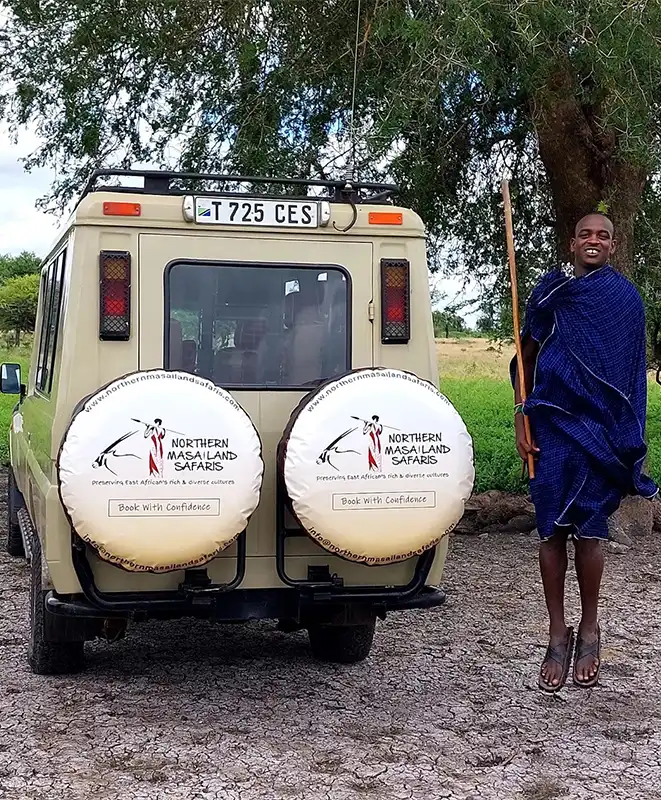
Book Your 2025/2026 Safari Now & Get a Free Masai Culture Tour!
The Maasai are a proud and vibrant tribe known for their distinctive customs and way of life. This free tour offers a unique opportunity to interact with the Maasai people.
Still Have Questions? We’re Here to Help! Contact Us
To secure the best lodges and ensure park availability, we recommend booking at least six months in advance, especially if you’re planning to travel during peak seasons, such as June to October or December to February.
It’s simple. Reach out to us directly through our website, email, or WhatsApp. Let us know your:
Preferred travel dates
Group size
Budget and interests
We’ll send you a customized itinerary within 24–48 hours.
We’ll need your:
Travel dates (fixed or flexible)
Number of travelers (adults and children)
Safari preferences (e.g., luxury, mid-range, or budget)
Activities you’re interested in (e.g., game drives, hot air balloon, cultural visits)
To confirm your safari, we ask for a 30–50% deposit depending on the itinerary. The remaining balance is due 30 to 45 days before your safari begins.
Yes, it’s highly recommended. Your policy should cover medical emergencies, trip cancellation, and baggage loss.
A 30% to 50% deposit is required to confirm your safari booking.
The balance must be paid in full no later than 30 to 45 days before the safari start date.
Bookings made within 30 days of the safari require full payment at the time of confirmation.
We accept the following payment options:
Bank wire transfer (details provided upon request)
Credit/Debit card (processing fees may apply)
Mobile payment options are available in Tanzania
USD ($) is the preferred currency for all transactions
Please note: All bank charges and currency conversion fees are the responsibility of the client.
If you choose to cancel your safari, the following refund terms apply based on the number of days before your safari start date:
| Notice Period Before Travel | Refund on Total Payment |
|---|---|
| More than 60 days | 90% refund |
| 45 – 59 days | 75% refund |
| 30 – 44 days | 50% refund |
| 15 – 29 days | 25% refund |
| Less than 15 days | No refund |
All refunds exclude transaction, bank, and administrative fees.
No refunds will be issued for no-shows, missed departures, or unused services once the safari begins.
In the unlikely event that we must cancel your trip due to unforeseen circumstances (e.g. natural disaster, political instability, or other force majeure events), you will be offered:
A full refund, or
The option to reschedule your safari at no extra cost
Date or itinerary changes are allowed free of charge up to 30 days before departure, subject to availability.
Within 30 days, amendments may incur extra charges based on supplier policies (lodges, airlines, etc.).
All approved refunds are processed within 14 business days.
Refunds are returned using the same method of original payment, unless otherwise agreed.
Passport Validity: Must be valid for at least 6 months from your entry date into Tanzania, with at least two blank pages.
Tourist Visa: Required for most nationalities. You can:
Apply online via the official Tanzania Immigration website: https://visa.immigration.go.tz
Or get a visa on arrival at major airports (Kilimanjaro, Dar es Salaam, Zanzibar)
Cost: Typically $50 USD, $100 USD for U.S. citizens (subject to change)
Tip: We recommend applying online at least 2–3 weeks before travel for faster processing.
Yellow Fever Vaccination:
Required only if you are arriving from or transiting through a yellow fever–risk country (e.g., Kenya, Uganda, Ethiopia).
You must carry your Yellow Fever certificate if applicable.
Recommended Vaccines:
Tetanus, Hepatitis A and B, Typhoid, and COVID-19 (not mandatory but encouraged)
Malaria Prevention:
Tanzania is a malaria-risk zone; consult your doctor for suitable anti-malarial medication.
Use mosquito repellent and wear long sleeves at dawn/dusk.
Travel insurance is mandatory when booking with Northern MasaiLand Safaris. Your policy should cover:
Medical emergencies and evacuation
Trip cancellation or interruption
Lost or delayed baggage
COVID-19-related delays (if applicable)
You must provide proof of insurance before arrival.
Main Airports:
Kilimanjaro International Airport (JRO) – most common for Northern Circuit safaris
Julius Nyerere International Airport (DAR) – for southern Tanzania or Zanzibar connections
Zanzibar Airport (ZNZ) – for beach holidays
Domestic Flights: We can book internal connections (Arusha to Serengeti, Zanzibar, etc.) as part of your itinerary.
Currency: Tanzanian Shilling (TZS), though USD is widely accepted.
Cards: Credit/debit cards accepted at most lodges (some with surcharges), but carry cash for tips, local markets, and small purchases.
ATMs: Available in major towns (Arusha, Moshi, Zanzibar), but not in national parks.
amy@northernmasailandsafaris.com
DeBeque, Colorado 81630 USA
+1 (970) 629-5086
+255754982525
info@northernmasailandsafaris.com
Kimandolu, Arusha Tanzania